Agenda
Overall purpose and equation
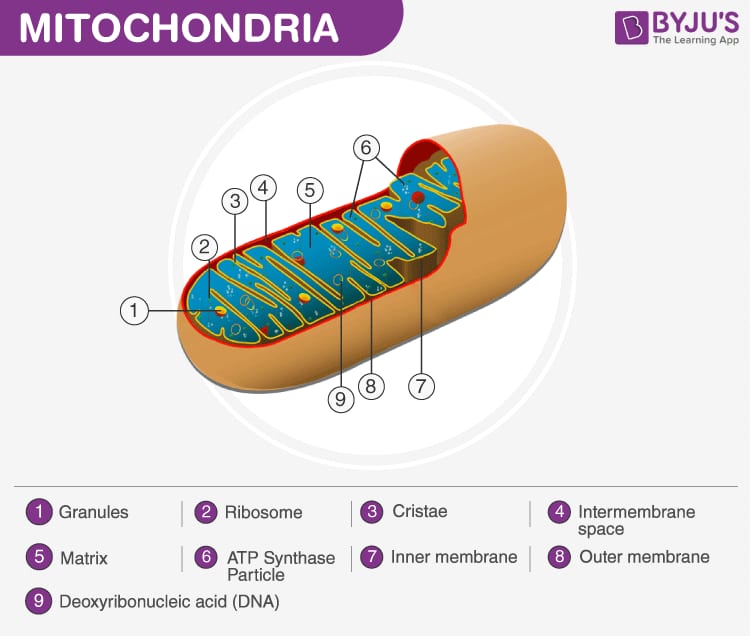
Matrix, membranes, cristae
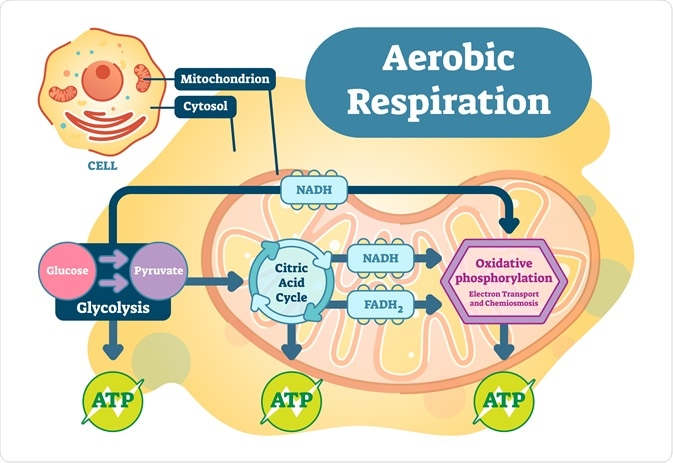
Glucose split into pyruvate
Carbon dioxide and electron carriers
Proton gradient and ATP synthase
Role of oxygen and fermentation
Glycolysis • Krebs Cycle • Electron Transport • ATP

ATP is the cell’s main energy currency and releases usable energy when its terminal phosphate bond is broken.
ADP has one less phosphate than ATP and can be recharged back into ATP by phosphorylation.
Respiration couples energy from glucose breakdown to the conversion of ADP + Pi into ATP.

Each pyruvate enters the mitochondrial matrix and is converted to acetyl-CoA, producing carbon dioxide and NADH.
Acetyl-CoA is the 2-carbon molecule that feeds into the Krebs cycle and connects glycolysis to the mitochondrial stages.
NAD+ accepts electrons and hydrogen to become NADH. NADH then transports high-energy electrons to the electron transport system.
In class use, “NADHase” usually refers to enzymes that oxidize NADH back to NAD+; in respiration, this oxidation occurs as NADH donates electrons into the mitochondrial electron transport chain.
Oxygen accepts electrons at the end of the chain and combines with hydrogen ions to form water.
The proton gradient stores potential energy across the inner membrane.
As protons flow back through ATP synthase, ADP is phosphorylated to ATP.
Aerobic respiration uses oxygen as the terminal electron acceptor and allows the electron transport chain to keep running.
Because oxidative phosphorylation continues, aerobic respiration produces much more ATP than fermentation pathways.
Glycolysis begins in the cytosol, the Krebs cycle and electron transport steps occur in mitochondria, NADH delivers electrons, oxygen is the final electron acceptor in aerobic respiration, and ATP is the main usable energy product of the pathway.
Thank you